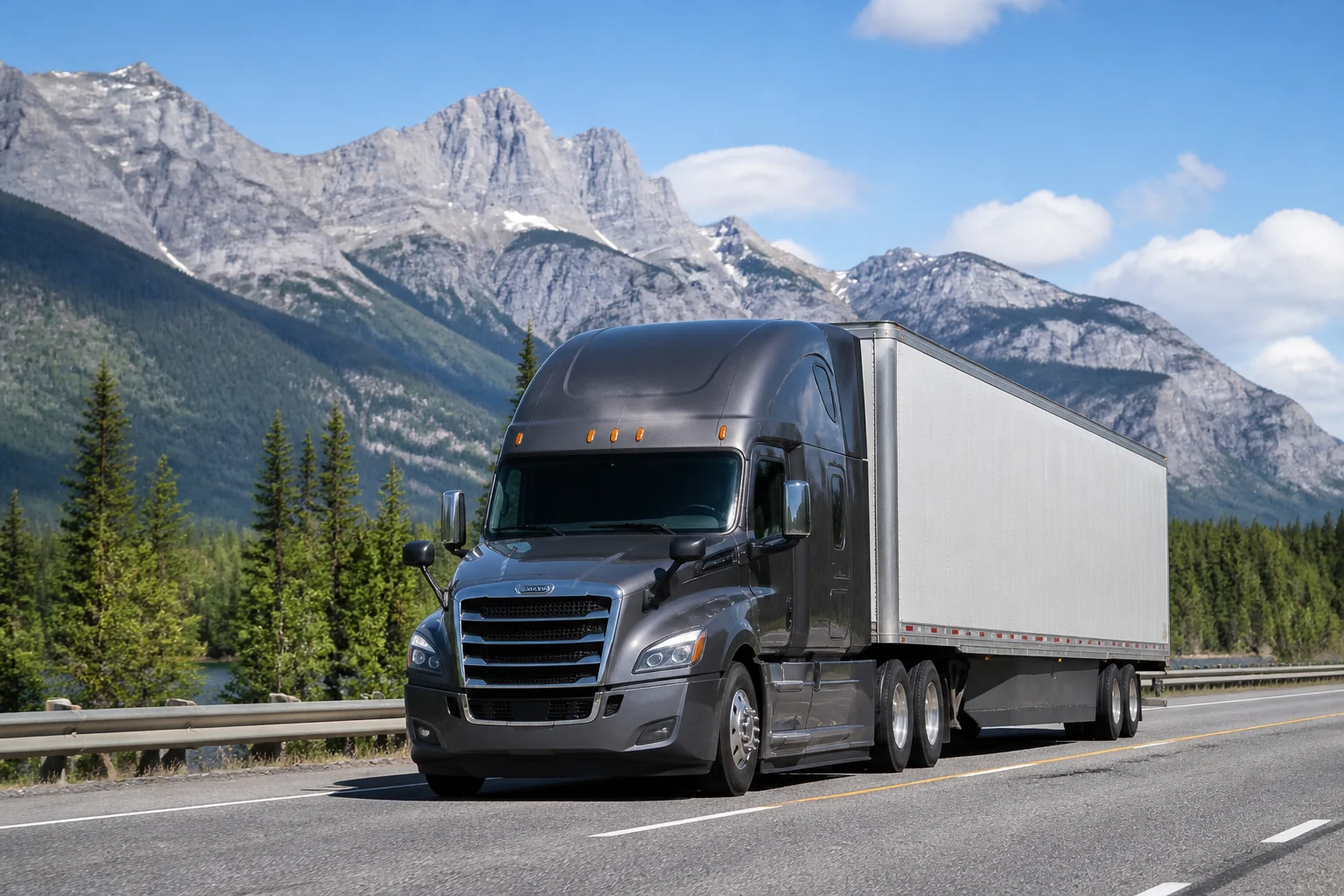
Moving heavy goods across distances requires more than just a large vehicle and an open road. It demands precise coordination, heavy-duty machinery, and deep familiarity with regional transport corridors.
When a factory needs raw materials or a distributor relocates tons of commercial stock, the entire operation rests on the reliability of the transport partner.
Booking and Assessing the Cargo
The journey of any large shipment begins long before the engine starts. It starts with a conversation between the client and the transport provider to determine the exact weight, volume, and special requirements of the cargo. Heavy freight transport is not a one-size-fits-all endeavor; machinery parts, palletized goods, and bulk materials each demand specific trailer types.
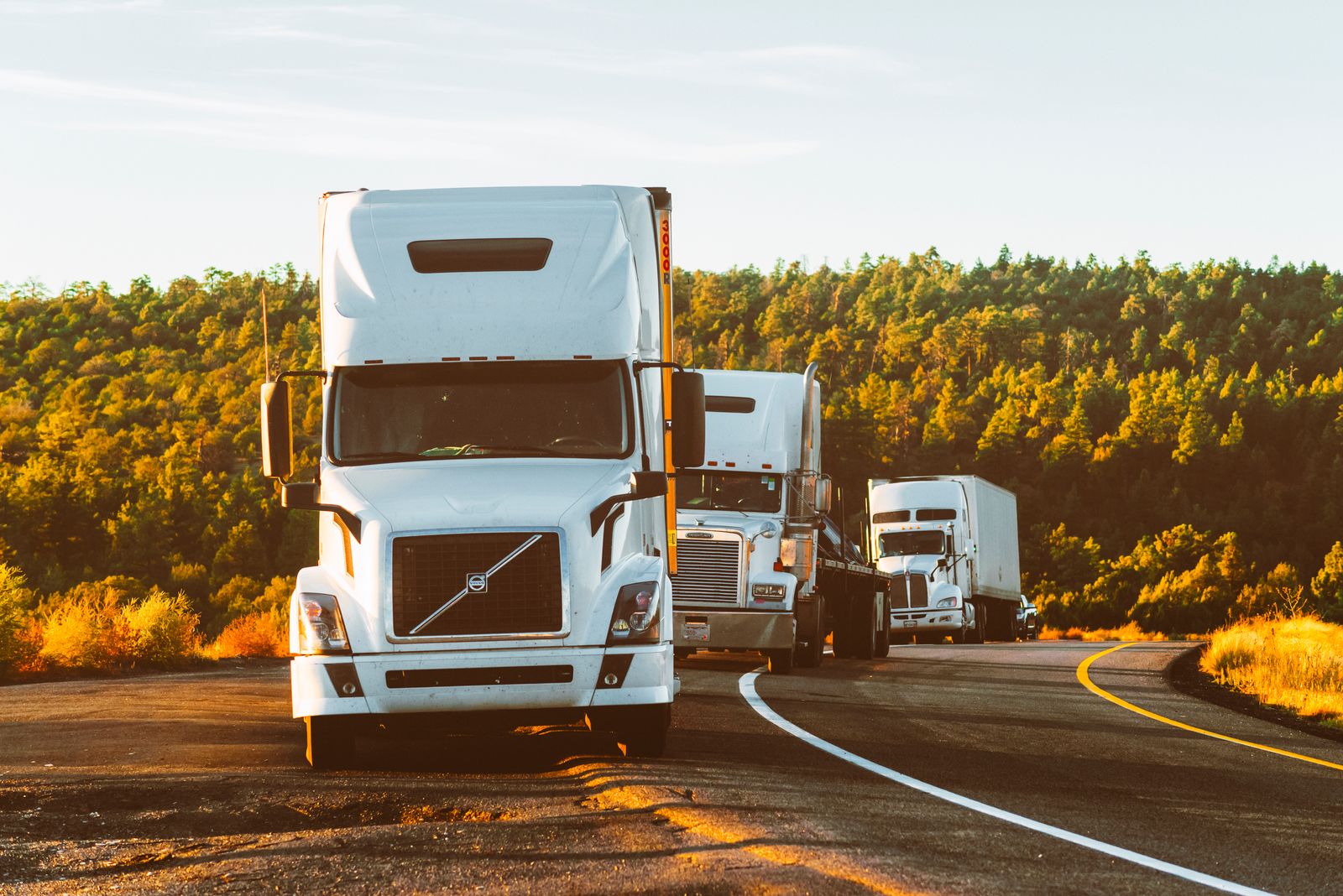
Dispatchers examine the load dimensions to select the appropriate truck. A standard tented semi-trailer handles most palletized cargo, while flatbeds suit oversized industrial equipment that requires side loading. Ignoring these details at the booking stage often leads to severe delays at the loading bay.
Preparing Transport Documentation
Once the truck is assigned, the administrative phase kicks into gear. Moving heavy loads across regions involves a mountain of paperwork that must be flawless to prevent border or roadside detainment.
The paperwork package typically includes several essential components to keep the transit legal and transparent:
- International or domestic bill of lading
- Detailed packing list with item counts
- Certificates of origin for specific goods
- Weighbridge tickets confirming total truck mass
- Route permits for oversized configurations
- Driver identification and commercial licenses
- Customs transit declarations where applicable
Errors in any of these forms can immobilize a truck for days. Experienced forwarders double-check every entry before the vehicle leaves the depot.
Route Planning and Road Conditions
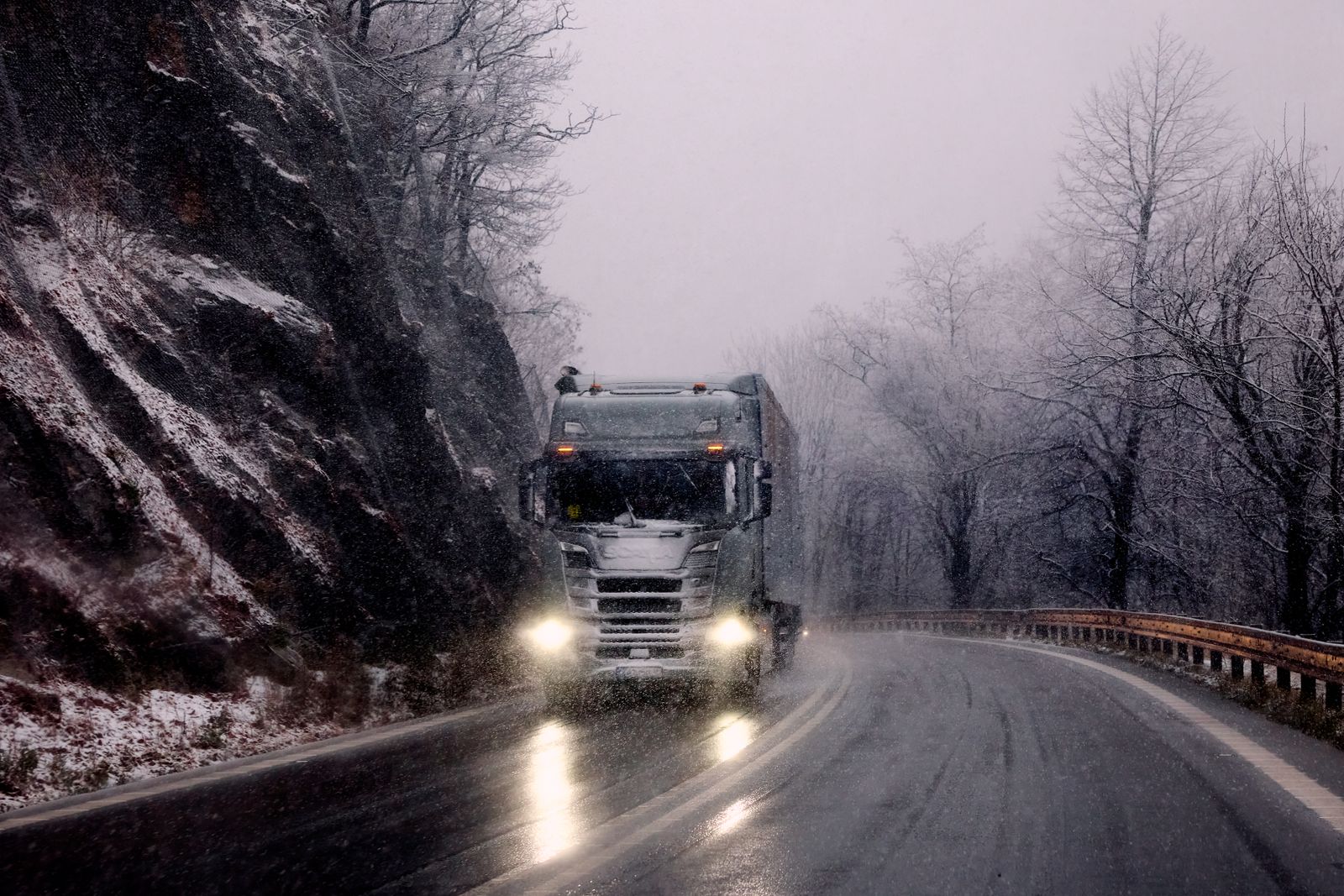
A smart route is the difference between profitable delivery and expensive failure. Dispatchers analyze the terrain, bridge weight limits, seasonal weather hazards, and toll stations before mapping out the journey for the driver.
Steep mountain passes and narrow rural roads demand experienced drivers who know how to manage heavy momentum. The chosen path must bypass low bridges and restricted zones while keeping fuel consumption and transit time within reasonable limits. Real-time GPS tracking allows dispatchers to adjust the course if unexpected road maintenance blocks the primary highway.
Loading and Securing the Freight
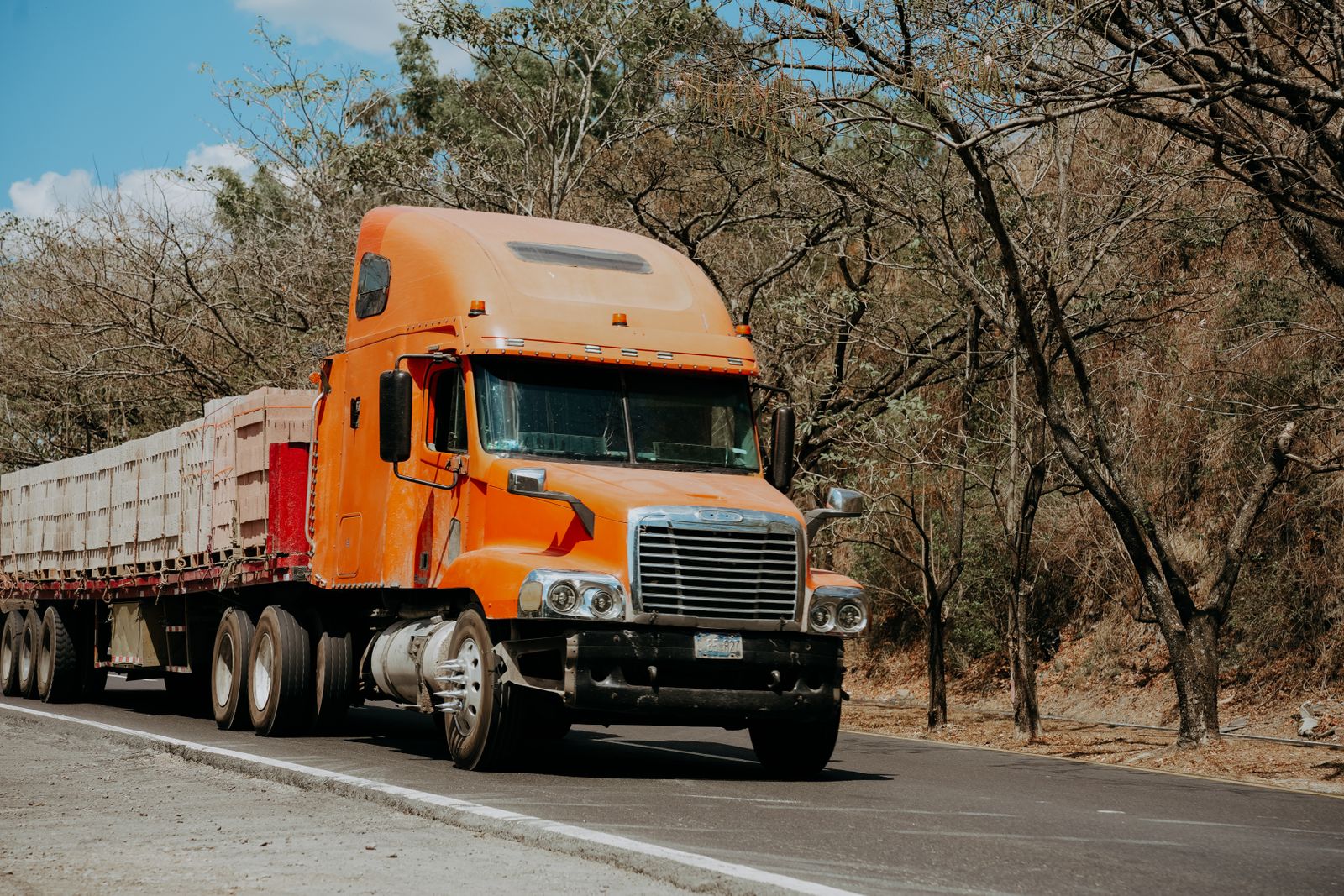
Physical loading is a high-stakes puzzle. Forklift operators and crane drivers must place the weight evenly across the trailer bed to prevent shifting during transit. An unbalanced load places dangerous strain on the suspension and increases the risk of tipping on sharp curves.
Once the goods sit inside the trailer, the driver secures them using industrial ratchet straps, chains, and wooden blocking wedges. Every strap is tightened to a specific tension, and the driver inspects the entire tie-down array before turning the ignition key.
Final Delivery and Unloading
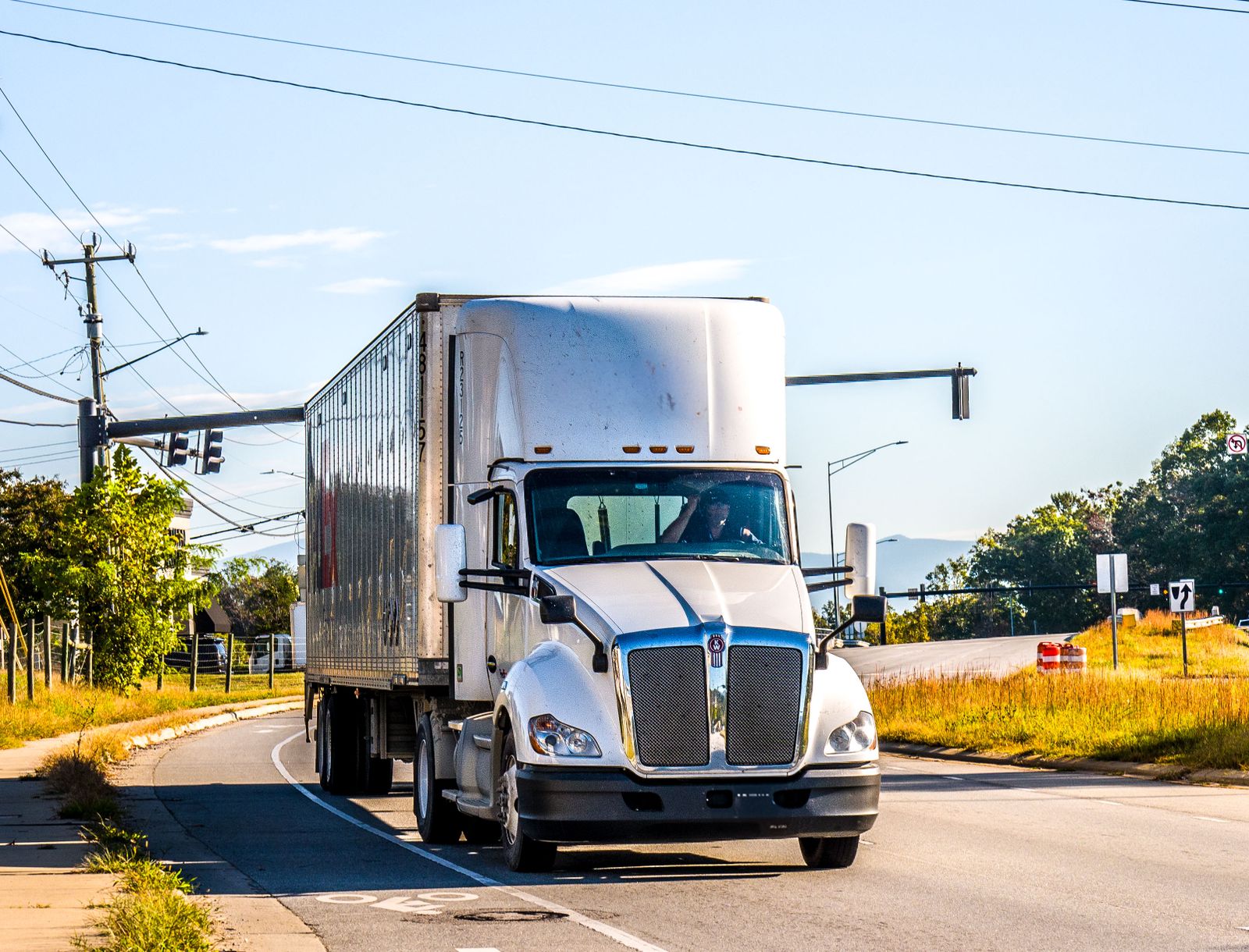
The final leg of the journey brings the heavy truck to the recipient's warehouse or construction site. Navigating urban industrial zones with a massive semi-trailer requires patience and skill, especially when maneuvering into tight unloading bays.
The recipient inspects the exterior of the cargo and checks the seal numbers against the bill of lading. Once the paperwork is signed and stamped, the transport cycle closes, and the truck prepares for its next assignment.
Logistics excellence is built on consistency rather than occasional luck. By respecting every phase from booking to final signature, transport companies ensure that commerce continues to flow across the country without missing a beat.